Latest Trends in Information Technology (IT)
Introduction
The latest trends in information technology (IT) are shaping how businesses operate and how people interact with technology. From artificial intelligence to cloud computing, IT continues to evolve rapidly, creating new opportunities and challenges.
Understanding these trends helps individuals and organizations stay competitive in today’s digital world.
Key Trends in Information Technology (IT)
1. Artificial Intelligence (AI)
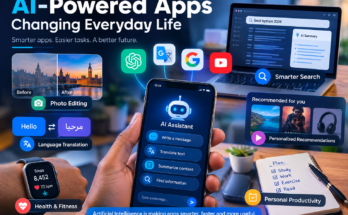
Artificial intelligence is one of the most important parts of the latest trends in information technology (IT). AI systems can analyze data, automate tasks, and improve decision-making.
Businesses use AI for:
- Customer service (chatbots)
- Data analysis
- Personalization
AI makes processes faster and more efficient.
2. Cloud Computing
Cloud computing allows businesses to store and access data online instead of using physical servers.
Platforms like Amazon Web Services, Microsoft Azure, and Google Cloud are leading this trend.
Benefits include:
- Cost savings
- Flexibility
- Remote access
Cloud computing is a major driver of the latest trends in information technology (IT).
3. Cybersecurity
As technology grows, so do security risks. Cybersecurity is a critical part of the latest trends in information technology (IT).
Organizations focus on:
- Protecting data
- Preventing cyberattacks
- Securing networks
Strong cybersecurity systems help maintain trust and protect sensitive information.
4. Internet of Things (IoT)
IoT refers to devices connected to the internet, such as smart homes, wearables, and industrial machines.
This trend allows:
- Real-time monitoring
- Automation
- Improved efficiency
IoT is becoming an essential part of modern IT systems.
5. Big Data and Analytics
Big data helps businesses analyze large amounts of information to make better decisions.
With the help of tools like IBM and Oracle, companies can:
- Understand customer behavior
- Improve services
- Predict trends
Big data is a key element of the latest trends in information technology (IT).
6. Automation and Robotics
Automation reduces manual work by using software and machines to perform tasks.
It is widely used in:
- Manufacturing
- Customer service
- IT operations
Automation increases efficiency and reduces errors.
7. Edge Computing
Edge computing processes data closer to where it is generated instead of relying on central servers.
This leads to:
- Faster performance
- Reduced latency
- Better user experience
It is becoming more important in modern IT systems.
Benefits of the Latest Trends in IT
The latest trends in information technology (IT) offer many advantages:
- Improved efficiency
- Faster communication
- Better decision-making
- Cost reduction
- Enhanced user experience
Challenges
Despite the benefits, there are challenges:
- Rapid technological changes
- High implementation costs
- Security concerns
- Need for skilled professionals
Organizations must adapt quickly to keep up with these changes.
Conclusion
The latest trends in information technology (IT) are transforming the world at a fast pace. Technologies like AI, cloud computing, and big data are helping businesses grow and innovate.
Staying updated with these trends is essential for success in the digital age.